
Understanding Concrete Cleaning
Concrete surfaces add immense value to properties, but they require periodic maintenance to ensure they remain safe, visually appealing, and durable. One of the critical aspects of maintaining concrete is through comprehensive concrete cleaning services. This process not only enhances the aesthetic appeal of your outdoor areas but also prolongs the material’s lifespan by removing harmful contaminants. When exploring options, concrete cleaning provides comprehensive insights into best practices and techniques available today.
What is Concrete Cleaning?
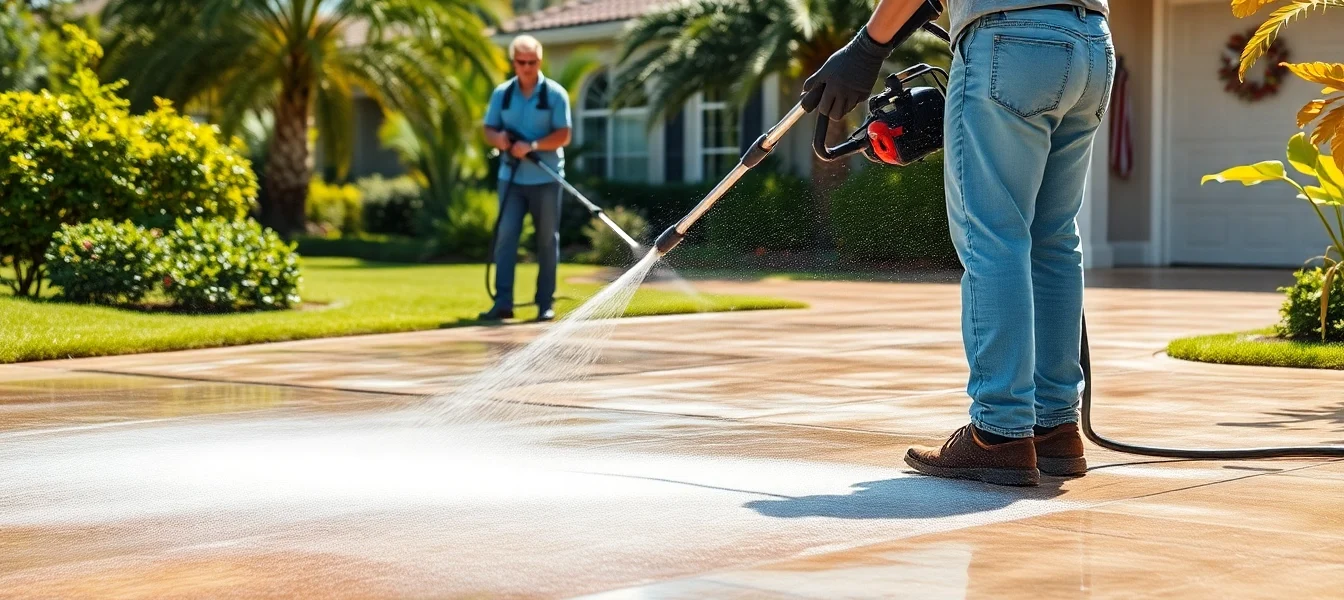
Concrete cleaning refers to the process of removing dirt, stains, mold, mildew, and other debris from concrete surfaces, typically through high-pressure washing or specialized cleaning agents. This service is vital in residential, commercial, and industrial settings where concrete surfaces are commonplace, including driveways, sidewalks, patios, and parking lots. By utilizing various cleaning techniques, professionals can restore the look of concrete quickly and efficiently.
Benefits of Professional Concrete Cleaning
- Enhanced Aesthetics: A clean concrete surface looks new and inviting, which is crucial for both homeowners and businesses aiming to maintain a professional image.
- Improved Safety: Removing slippery materials like mold and algae can prevent accidents, making your concrete surfaces safer for foot traffic.
- Increased Longevity: Regular cleaning can help prevent damage and degradation to the concrete, thereby extending its lifespan.
- Curb Appeal: For property owners looking to sell or rent, clean concrete helps boost curb appeal, potentially increasing property value.
Common Techniques Used in Concrete Cleaning
Concrete cleaning can be accomplished using several methods, including:
- Pressure Washing: This method uses high-pressure water jets to remove dirt and contaminants quickly. It is especially effective for hard surfaces but must be done correctly to avoid damaging the concrete.
- Soft Washing: A gentler approach that uses lower pressure combined with cleaning solutions to safely remove organic materials without harming the surface.
- Chemical Cleaning: Involves applying specialized cleaning agents that dissolve stains, mold, and other debris, often used in conjunction with other techniques.
Choosing the Right Concrete Cleaning Method
Deciding on the appropriate cleaning method for concrete involves considering several factors, including the type of stains present and the condition of the concrete itself. Each cleaning method serves different purposes, so the right choice can yield more effective and lasting results.
Pressure Washing vs. Soft Washing Techniques
While both techniques serve to clean concrete, they have different applications:
- Pressure Washing: Best suited for surfaces that are heavily soiled or stained. It is particularly effective for removing dirt and grime quickly.
- Soft Washing: Ideal for delicate surfaces or areas with algae and mold growth. It cleans without the risk of damaging the concrete.
Factors to Consider for Effective Cleaning Results
When evaluating the best cleaning method, consider the following:
- Type of Stains: Different stains require different cleaning approaches; for example, oil stains may need specialized cleaners.
- Surface Condition: Older, cracked concrete may require gentle cleaning methods to avoid further damage.
- Environmental Impact: Choose methods that utilize eco-safe products and practices to minimize environmental harm.
Eco-friendly Cleaning Solutions for Concrete
With increasing awareness of environmental issues, many cleaning services now offer eco-friendly options. These include biodegradable cleaning agents and techniques like water reclamation that minimize waste. Adopting these practices not only benefits the environment but can also enhance your property’s appeal, demonstrating a commitment to sustainability.
Preparing for a Concrete Cleaning Service
Proper preparation is key to achieving the best results from your concrete cleaning service. Taking the time to assess and prepare your concrete surfaces can lead to more effective cleaning and prevent any unforeseen issues during the process.
Assessing the Condition of Your Concrete
Before scheduling a cleaning service, inspect the condition of your concrete. Look for cracks, deep stains, or any signs of damage. This assessment will help you communicate specific needs to the service provider and ensure that they choose the best cleaning method.
Hiring a Professional Concrete Cleaning Service
When selecting a concrete cleaning service, check for credentials, customer reviews, and experience with similar projects. A professional service will provide you with a clear scope of work, including expected outcomes and timelines. This transparency can significantly enhance your overall satisfaction with the service.
Preparing the Area for Cleaning
Before the cleaning team arrives, clear the area of furniture, vehicles, and obstacles that could impede the cleaning process. Ensure that any plants or landscaping near the concrete are protected, as cleaning solutions can sometimes affect vegetation.
Maintaining Your Concrete After Cleaning
After your concrete has been professionally cleaned, maintenance is crucial to preserving its clean appearance. Implementing a routine maintenance schedule can further extend the life and appearance of your concrete surfaces.
Sealing Concrete: When and Why?
Sealing concrete is an essential step following the cleaning process. This protective layer prevents stains, moisture infiltration, and damage from freeze-thaw cycles. Aim to apply a high-quality sealant every few years or as recommended based on your environmental conditions.
Regular Maintenance Tips for Longevity
To maintain your concrete surfaces effectively:
- Regular Sweeping: Keep surfaces clear of debris and dirt.
- Prompt Stain Removal: Addressed spills and stains as they occur to prevent them from setting.
- Scheduled Professional Cleanings: Plan for routine cleanings, ideally once a year or more frequently in high-traffic areas.
Signs Your Concrete Needs Cleaning Again
Watch for telltale signs indicating your concrete needs another cleaning, such as:
- Visible stains or discoloration
- Accumulation of mold or mildew
- Slippery surfaces due to algae growth
Future Trends in Concrete Cleaning
As technology advances, the concrete cleaning industry continues to evolve. Recognizing future trends can help property owners stay ahead of maintenance needs and expectations.
Innovative Technologies in Concrete Cleaning
The introduction of new technologies like automated cleaning robots and advanced pressure washing equipment is set to change the industry landscape. These innovations enhance efficiency and reduce the environmental impact while providing high-quality results.
Predictions for Eco-conscious Cleaning Methods
As consumer demand for sustainable practices grows, expect to see more eco-friendly products and processes influencing the concrete cleaning market. This trend will encourage the development of non-toxic cleaning solutions that offer effective results without harming the environment.
Emerging Pain Points for Property Owners in 2025
Property owners may face challenges such as stricter environmental regulations and increased scrutiny over cleaning methods used. Staying informed about these developments can help property owners choose the right service providers and maintain compliance while achieving pristine concrete surfaces.
