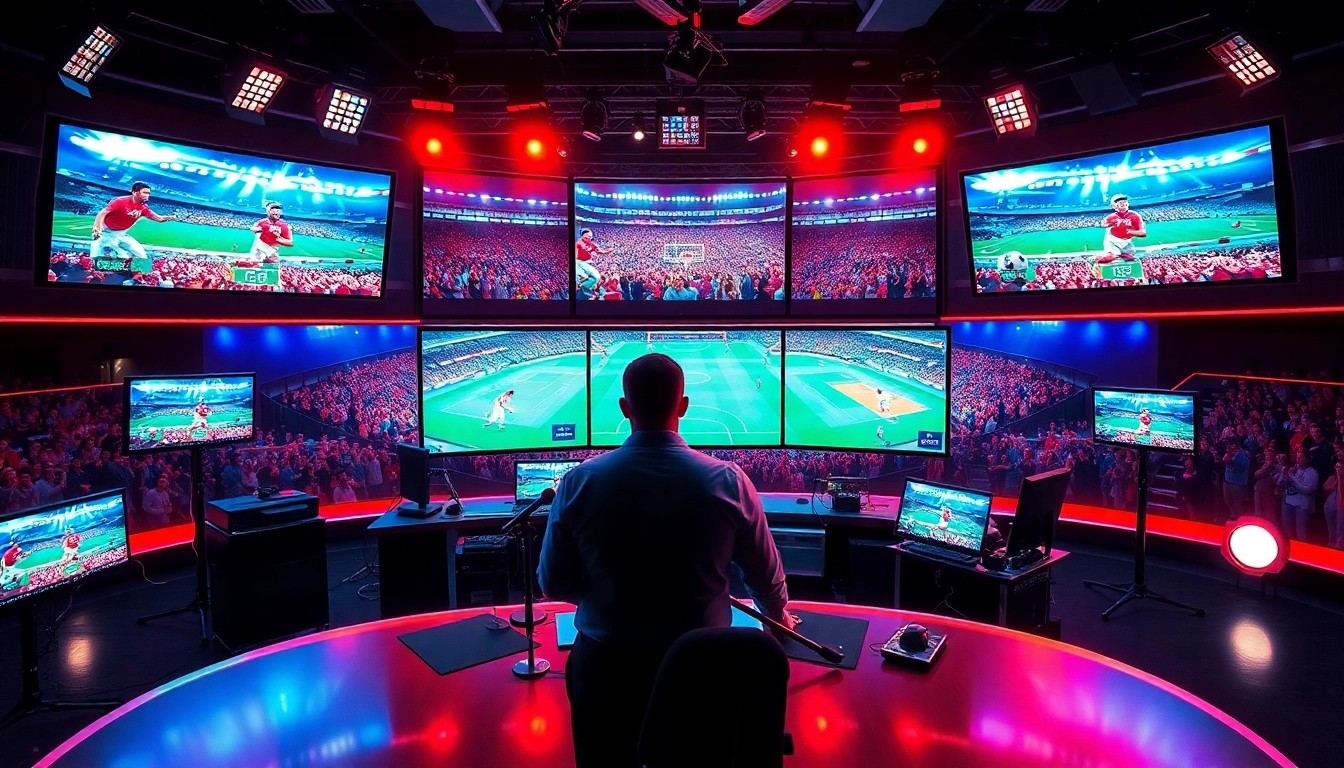
Understanding the Landscape of Sports Broadcasting
Key Definitions and Concepts
Sports Broadcasting encompasses the live transmission of sports events on various platforms, including television, radio, and online. It involves the delivery of real-time commentary and coverage, enabling fans to engage with their favorite sports irrespective of their geographical location. This dynamic field merges traditional broadcasting with modern technology to create a multifaceted viewing experience.
Understanding the nuances of Sports Broadcasting requires familiarity with key concepts such as play-by-play commentary, color commentary, and sports journalism. Play-by-play provides a real-time account of the game, while color commentary offers insights and analyses, which enrich the viewing experience. By integrating both commentary types, broadcasters can enhance audience engagement and retention.
Types of Sports Broadcasting
Sports Broadcasting can be broadly categorized into two primary types: live broadcasts and recorded broadcasts. Live broadcasts involve real-time transmission of events, allowing viewers to experience the thrill as it unfolds. Recorded broadcasts, on the other hand, provide highlights or complete games aired after the event has concluded, catering to audiences who might have missed the live airing.
Furthermore, within these categories, different formats emerge—television broadcasts, radio coverage, and streaming services represent the main channels for dissemination. Each format possesses unique attributes that influence how content is produced and consumed.
Industry Trends and Developments
The sports broadcasting landscape has undergone significant transformation in recent years, driven by technological advancements and shifts in viewer behavior. One notable trend is the rise of digital streaming platforms, which allow viewers to watch events on demand and on various devices. With traditional cable subscriptions declining, streaming services are quickly becoming the go-to choice for sports fans.
Moreover, the rise of mobile applications facilitates access to live games and exclusive content, enhancing the viewer experience. Integrating interactive features, such as live polls and chats, further engages the audience and provides real-time feedback to broadcasters.
Essential Technologies in Sports Broadcasting
Broadcasting Equipment Fundamentals
At the heart of effective sports broadcasting lies a variety of essential equipment. Cameras play a crucial role in capturing high-definition visuals, while microphones are vital for clear audio delivery. Multi-camera setups are often employed to provide diverse angles that enhance the storytelling aspect of sports. Additionally, video switchers and mixers are used to manage multiple video feeds fluidly and create seamless transitions during broadcasts.
Software Tools for Production
In conjunction with hardware, various software tools are imperative for sports broadcasting production. Editing software, like Adobe Premiere Pro or Final Cut Pro, enables broadcasters to compile and refine footage for highlights or recap packages. Graphics and animation software provides real-time stats and situational analysis that can be displayed on screen, adding context to live broadcasts and enhancing viewer understanding.
Emerging Technologies Impacting Sports Broadcasting
Emerging technologies, including augmented reality (AR) and artificial intelligence (AI), are reshaping the future of sports broadcasting. AR can provide immersive experiences by integrating 3D graphics into live feeds, making it easier for audiences to comprehend complex game dynamics. AI is being leveraged for analytics, enabling predictive modeling for player performance and game outcomes, enhancing the way broadcasts are produced and viewed.
Creating Compelling Content in Sports Broadcasting
Storytelling Techniques
Compelling storytelling is at the heart of successful sports broadcasting. Whether through athlete profiles or real-time game narratives, the effectiveness of storytelling can significantly impact audience engagement. Utilizing emotional arcs—such as underdog stories or triumphs over adversity—resonates deeply with viewers, drawing them into the narrative.
Techniques like foreshadowing and pacing also play critical roles in maintaining audience interest. By strategically scheduling content and highlighting milestones, broadcasters can create a sense of anticipation for upcoming events.
Engaging Audience Through Social Media
Social media platforms serve as powerful tools for enhancing audience engagement in sports broadcasting. Broadcasters can share behind-the-scenes content, live updates, and interactive polls, fostering a more intimate viewer experience. Furthermore, engaging with fan comments and questions in real-time builds community and boosts loyalty among followers.
Hashtags and campaigns can also be employed to create a unified conversation around specific events or themes, amplifying reach and engagement. Integrating social media discussions into live broadcasts provides additional authenticity and relatability.
Leveraging Influencer Collaborations
Collaborating with influencers in the sports domain can exponentially enhance visibility and engagement levels. Influencers bring their established audiences to the table, bridging gaps between broadcasters and potential viewers. This synergy is paramount in reaching younger demographics who may not engage with traditional broadcasting as frequently.
Joint initiatives—such as interviews, live chats, and social media takeovers—enable broadcasters to tap into fresh content, offering new angles and perspectives that resonate with viewers. It is essential, however, to ensure that collaborations align cohesively with the broadcasting brand to maintain credibility.
Best Practices for Successful Sports Broadcasting
Building a Strong Broadcasting Brand
A successful broadcasting brand is not just about delivering sports content. It encompasses developing a unique voice and identity that sets one apart in the saturated sports market. Clearly defined core values, a consistent visual style, and thematic content are essential in crafting a recognizable brand.
Engagement with the audience—understanding their preferences and tastes—can further refine the broadcasting approach. Customer feedback, surveys, and engagement metrics can guide strategic decisions, ensuring that the brand evolves alongside its audience.
Ensuring Compliance and Standards
Compliance with broadcasting regulations and industry standards is critical in maintaining credibility and avoiding legal pitfalls. Understanding guidelines on copyright, licensing, and advertising practices is essential for any broadcaster. Regular training and updates can help ensure that teams stay informed and compliant.
Moreover, implementing quality control measures throughout the production process can maintain the high standards expected by audiences. Evaluating broadcasts post-event allows for continuous improvement and adaptation.
Measuring Success and Analyzing Performance
To gauge effectiveness, broadcasters need to establish success metrics. Key performance indicators (KPIs) such as viewership numbers, audience retention rates, and social media engagement provide insights into how well content resonates with viewers. Analytics tools can be leveraged to track viewer behavior in real-time, allowing for immediate response and adjustment during broadcasts.
Post-event analyses can identify areas for improvement, shaping future strategies for content delivery and engagement efforts.
Future Directions in Sports Broadcasting
Innovative Formats and Accessibility
As technology continues to advance, sports broadcasting is poised for groundbreaking changes in format and accessibility. Innovative formats, such as 360-degree streams and virtual reality experiences, will offer fans new ways to engage with live events. These immersive technologies create an environment where audiences feel as if they are part of the action.
Additionally, focusing on accessibility for diverse audiences is paramount. Including multiple language options and catering to differently-abled viewers will expand the reach and inclusivity of broadcasts.
Sustainability Trends in Sports Broadcasting
In an era where sustainability takes precedence, sports broadcasters are evaluated on their environmental impact. Trends towards green broadcasting practices—such as energy-efficient equipment and sustainable production processes—are gaining traction. By embedding sustainability into their practices, broadcasters not only protect the environment but also strengthen their brand image and resonate with increasingly eco-conscious audiences.
Preparing for Next-Gen Viewership
Next-gen viewership presents both challenges and opportunities for sports broadcasters. To effectively engage this audience, broadcasters will need to adapt to shifting preferences, such as on-demand content consumption and interactive experiences. Emphasizing personalization in content delivery, based on viewer behavior and preferences, will be crucial in maintaining relevance in a dynamic viewing landscape.
FAQs
What is Sports Broadcasting?
Sports Broadcasting refers to the transmission of live sports events via radio, television, or online platforms to an audience.
How do I become a sports broadcaster?
One can become a sports broadcaster by pursuing journalism or communication studies, gaining internships, and building a portfolio.
What technologies are essential in sports broadcasting?
Key technologies include video production equipment, audio tools, graphics software, and streaming platforms.
How do broadcasters enhance viewer engagement?
Creating interactive content, utilizing social media, and offering viewer input opportunities enhances audience engagement.
What are the emerging trends in sports broadcasting?
Emerging trends include augmented reality, virtual reality, and increased focus on online streaming and mobile accessibility.